


Service
Reflection & Glare Removal in Video
Blown-out highlights, studio lights and the camera itself, taken off jewelry, watches, glass and polished metal - frame by frame, with the shine that sells the product left intact.
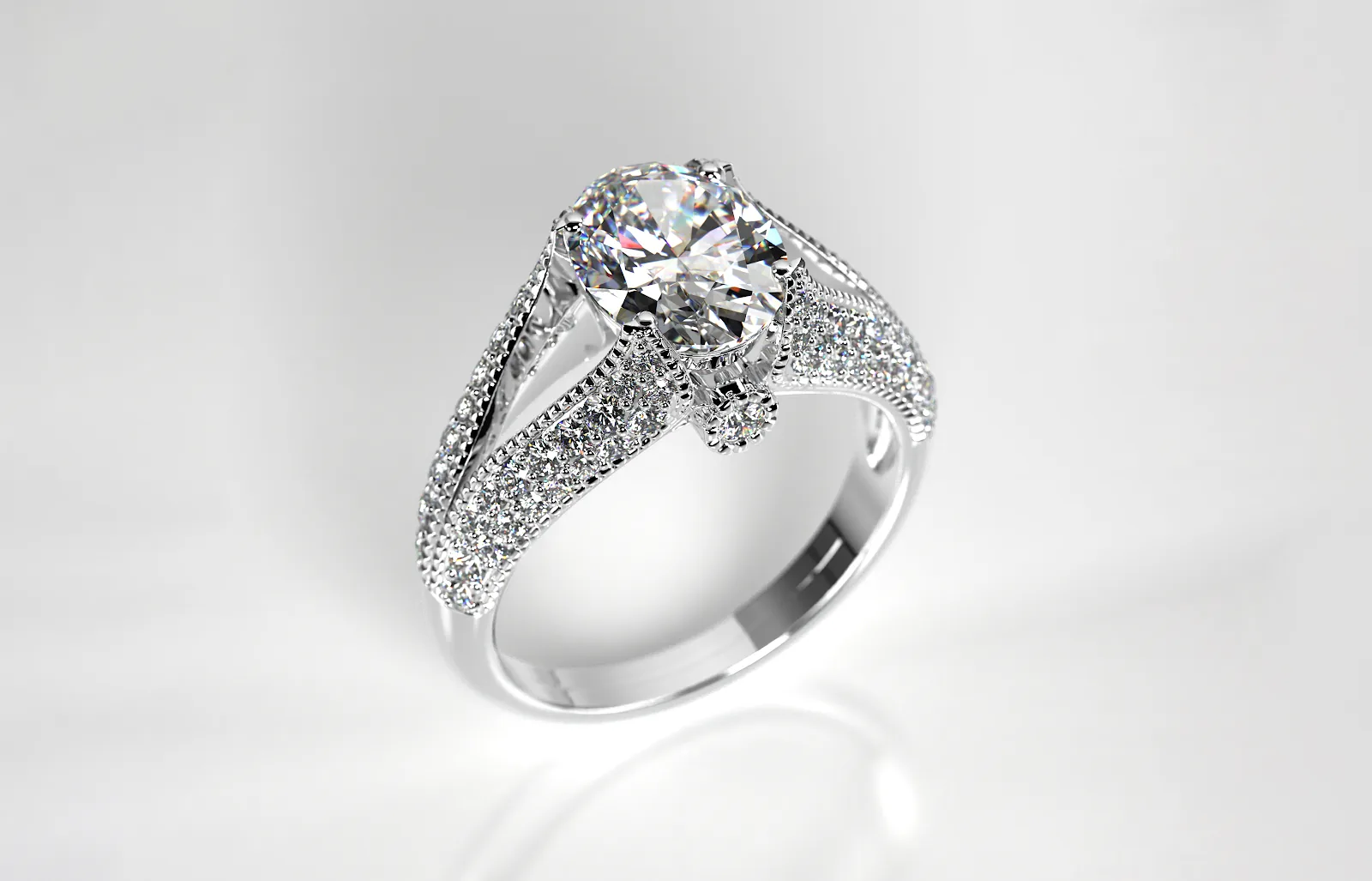
A diamond ring turning under studio light, with the blown-out highlights and the mirrored softbox taken off the band while the stones keep their fire.
Why Reflective Products Are the Hardest Thing to Film
Anything polished behaves like a mirror. A ring, a watch case, a perfume bottle or a chrome kettle does not just catch the light, it reports the whole room back at the lens: the softbox, the ceiling, the stand, the camera, and often the person holding it.
On a still you can retouch that once. On video the product turns, so every highlight crawls across the surface and changes shape on every frame. A mask that fits frame one has slipped by frame ten, which is why glare on product video is quoted as compositing work rather than as retouching.
The job is not to kill the reflections. A ring with no highlights looks like grey plastic, and the sparkle is the thing a shopper is buying. The work is to remove the ones that read as mistakes - the blown-out hotspot, the softbox rectangle, the shape of the room - and keep the ones that make the metal look like metal.
Automated tools help with tracking and a first pass. Anything that crosses a faceted stone, a curved band or a moving edge still needs an artist on it, and a frame-by-frame QC afterwards.
Which Products This Is For
- Jewelry: rings, necklaces, earrings, bracelets - faceted stones and pave settings
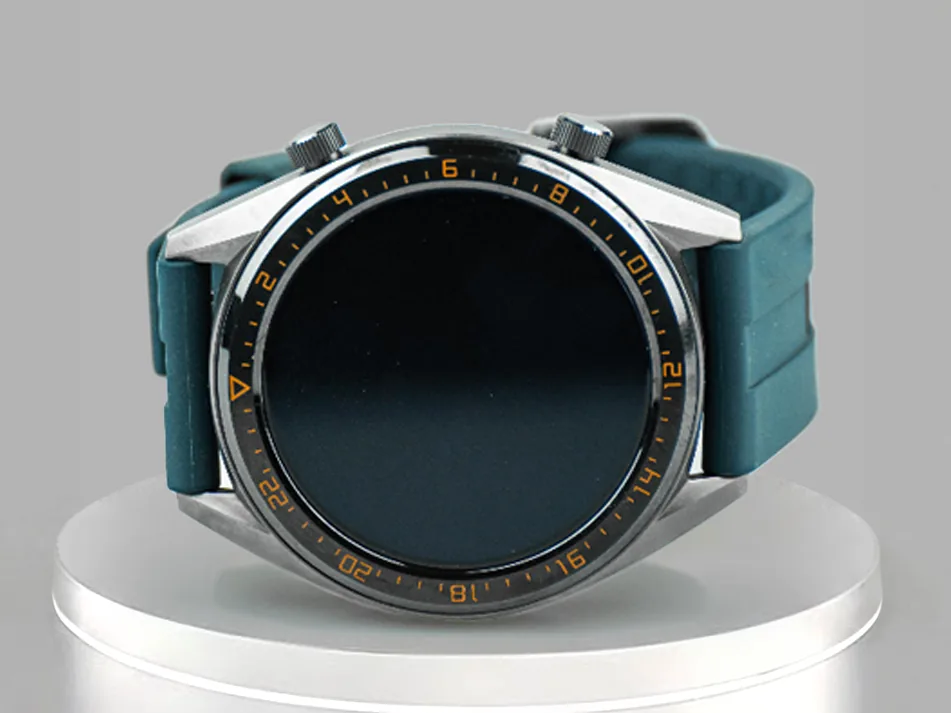
- Watches: crystal glass, polished cases, sunburst and brushed dials
- Glassware, perfume and fragrance bottles, candle jars
- Cosmetics in gloss, foil, metallic or mirrored packaging
- Electronics: phone and laptop screens, chrome trim, glass backs
- Kitchenware and cutlery: stainless steel, copper, non-stick coatings
- Eyewear and sunglasses, where the lens mirrors the whole studio
- Patent leather footwear, hardware and buckles
- Automotive accessories: chrome, badges, alloy finishes
What We Remove
Blown-out hotspots that clip to pure white and lose all detail
Softbox and light-panel shapes mirrored in the surface
The camera, the lens and the operator visible in the product
Stands, clamps and the turntable reflected in a polished base
Ceiling, walls and background clutter reported back by glass
Screen glare on phones, laptops, TVs and watch faces
Fingerprints and smears that only appear under a highlight
Colour casts thrown onto metal by a nearby coloured surface
Our Process
- 01
Footage Review
We separate the reflections that sell the product from the ones that read as mistakes, and agree which go.
- 02
Surface Tracking
The product is tracked with planar trackers in Mocha Pro so the fix stays locked as it turns.
- 03
Paint & Reconstruct
The surface underneath is rebuilt frame by frame, matching grain, texture and finish.
- 04
Highlight Match
Remaining highlights are balanced so the metal still reads as metal and stones keep their fire.
- 05
Internal QC
Every frame checked at full resolution on a calibrated display, and again at phone size.
- 06
Final Delivery
Mastered clip in your spec, with marketplace exports on request.
Deliverables
- Mastered clip with the unwanted reflections gone
- Side-by-side before / after for internal sign-off
- Marketplace-spec exports (Amazon, Shopify) on request
- Project files on retainer plans, NDA-protected delivery
Frequently Asked Questions
Send one clip of your worst reflection
We will clean up to 5 frames at full production quality and return them within 24 hours. No payment method, no commitment - send the shot that is giving you trouble, not your easiest one.
Standard
$25/hour
1–4 videos · per-shot fixed quote up front
Bulk — Save 20%
$20/hour
5+ videos · automatic bulk rate
Related Services
Explore more video post-production services
Rig, Stand & Wire Removal
Frame-perfect wire and rig paint-out for action, fashion, and product video.
Learn more →Rotoscoping
Hand-keyed mattes with hair-detail and motion-blur preservation.
Learn more →Video Background Removal
Clean alpha extraction for product, talent, and commercial plates.
Learn more →